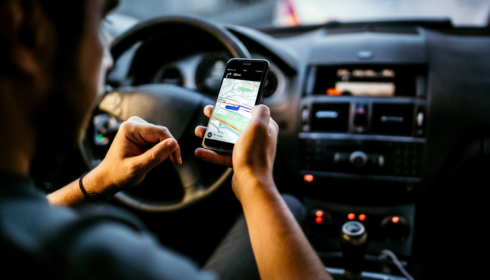
We’ve all been there, following GPS directions through New York City’s maze of one-way streets, sudden turns, and last-second lane changes. But what happens when those directions are wrong, and they lead to a crash? It’s a question more people are asking, especially when speaking with a Bronx car accident lawyer after an accident that seems tied to navigation confusion. Can a GPS app actually be blamed for a collision? Or does responsibility always fall on the driver? The answer isn’t as simple as you might think, but New York law does offer some clarity.
When Following Directions Goes Wrong
The GPS applications, such as Google Maps and Waze, are very helpful; however, they are not perfect. For example, if you were to use either application in New York City and make an illegal left turn, you could create a hazardous situation.
Picture this: you’re driving through Queens, and your GPS tells you to turn left at an intersection. You hesitate, realize too late there’s a “No Left Turn” sign, and suddenly swerve to correct yourself, causing a collision. It feels like the app set you up, right?
From a legal standpoint, though, drivers are still expected to follow traffic laws and road signs over app instructions. New York Vehicle and Traffic Law § 1110 makes it clear that drivers must obey official traffic control devices at all times. So even if the GPS gave bad directions, you’re generally responsible for making safe, lawful decisions behind the wheel.
Can GPS Errors Ever Affect Liability?
That is when a closer look is needed. The application itself doesn’t often bear liability, but its role in the incident cannot be overlooked. New York follows a pure comparative negligence rule under (CPLR § 1411), which allows for fault to be divided among many parties based on how much fault each party has. Here’s how it works:
- Driver responsibility remains primary
If you just follow the GPS directions without considering road signs, then it would be your fault for being careless. There is an expectation that you should exercise reasonable judgment when driving.
- But context matters
If the directions of the GPS caused a surprising or confusing scenario, such as having you enter a blocked road, you can use that as an explanation for your conduct. While it does not completely remove your responsibility, it will lower your degree of fault.
- Other drivers may share blame
Should another driver have been speeding, driving without attention, or not have reacted to the situation adequately, they could still be found partially at fault, despite your GPS error.
In rare cases, broader questions may arise about whether a navigation app provided dangerously inaccurate data. However, these claims can be difficult to pursue because app providers include liability disclaimers in their terms of service. This is why many people consult a Queens car accident lawyer. When GPS-related factors are involved, careful legal analysis is required to determine fault allocation.
What You Should Do After a GPS-Related Accident
If your theory that a navigation error contributed to the accident is correct, the immediate actions will play a crucial role in how the case is handled.
1. Capture evidence extensively
Photographs need to be taken of the damage to the car, including traffic signs, lanes, and detours due to construction on the roads.
2. Capture your GPS route
If possible, take a screenshot of your navigation app showing the route and directions at the time of the crash. This can serve as supporting evidence later.
3. Get a police report
Police reports in NYC often contain information on road conditions and driver behavior, both of which are important when establishing liability.
4. Seek medical attention right away
Even if your injuries seem minor, delayed symptoms are common. Medical records also help establish a clear connection between the accident and your injuries.
5. Be mindful when speaking to insurers
Insurance providers can try to make things easier by pointing the finger at one person. However, GPS accidents can be much more complicated. It is important to accurately explain the accident.
Timing is also critical. Under New York law (CPLR § 214), you generally have three years to file a personal injury claim. But waiting too long can make it harder to preserve evidence, such as app data or witness statements. A Brooklyn car accident lawyer can help ensure these details are properly documented and presented, especially when responsibility is not clear.
Conclusion: Technology Helps—But Responsibility Still Matters
GPS apps have made navigating New York City easier in many ways, but they haven’t replaced the need for driver judgment. When accidents happen, the law still expects you to prioritize what’s happening in front of you over what a screen is telling you.
That said, GPS errors can still affect how the fault is evaluated. They can add context, explain split-second decisions, and sometimes shift responsibility, especially in complex urban driving environments like NYC.
If you’re dealing with the aftermath of a crash influenced by navigation issues, it’s completely normal to feel unsure about where responsibility lies. These cases aren’t always black-and-white. But with the right information and a clear understanding of how New York law approaches fault, you can navigate the situation with more confidence and clarity.